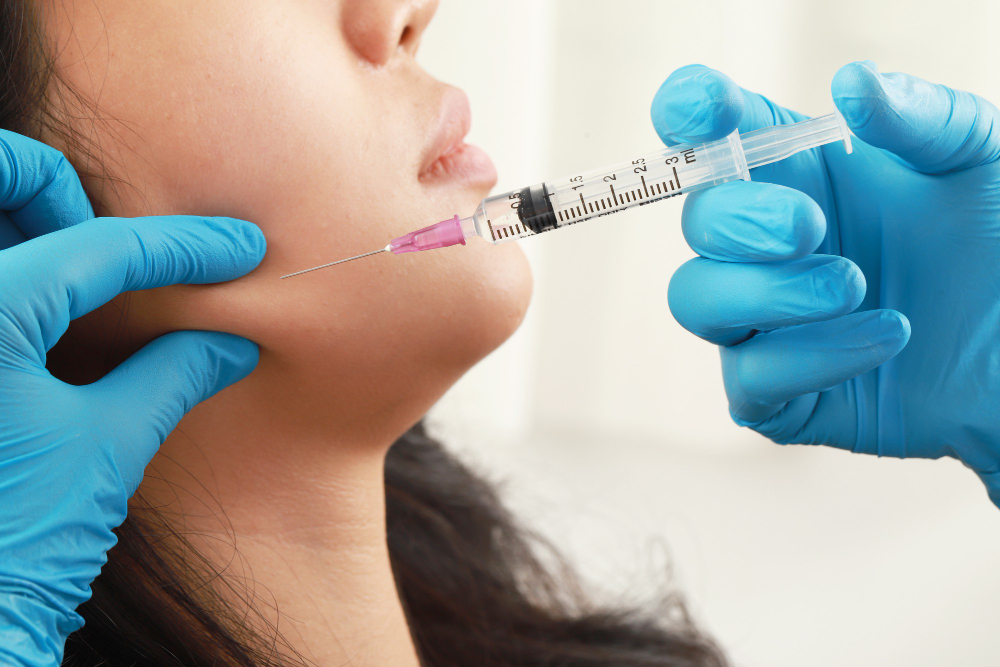
Fine lines, acne scars, dullness, and uneven texture are among the many common concerns that lead people to explore
skin rejuvenation treatments. Two widely used options are
PRP and microneedling.
Both are designed to support natural-looking skin improvement, but they work in different ways and address the skin through distinct treatment approaches.
If you’ve been trying to figure out which one is suitable for your skin, here’s a clear breakdown of what each treatment does, how they differ, and why so many people end up choosing both.
What Microneedling Actually Does
Microneedling uses a device fitted with fine, sterile needles to create tiny, controlled punctures across the skin’s surface. Those micro-injuries trigger your body’s own healing response, boosting collagen and elastin production in the process.
The treatment itself is minimally invasive and works well for a wide range of concerns.
What Microneedling Tends to Improve
Results build gradually, since your own skin is doing the actual repair work rather than something artificial being layered on top.
What PRP Actually Does
PRP stands for
platelet-rich plasma, and the process starts with a simple blood draw. That blood gets spun in a centrifuge to separate out the platelet-rich portion, which carries concentrated growth factors known for supporting healing and tissue repair.
Once isolated, that PRP gets applied to the skin, either topically or through injection, where those growth factors get to work stimulating collagen production, improving hydration, and supporting overall skin health.
What PRP Tends to Improve
- Overall skin texture and elasticity
- Hydration and general skin health
- Fine lines and early volume loss
- Dullness and lackluster tone
Because PRP is made from your own blood, there shouldn’t be any risk for an allergic reaction to a foreign substance. This is perhaps one of the reasons many patients feel comfortable using it.
The Real Difference Between the Two
Microneedling works through controlled physical injury to the skin, triggering a healing response through those tiny punctures. PRP works biochemically, delivering concentrated growth factors that support and accelerate healing from within.
Here’s the thing, though: these two mechanisms complement each other extremely well rather than competing.
Why So Many Patients Combine Them
When PRP gets applied during or right after a microneedling session, those growth factors have a direct path into the skin through the micro-channels the needles just created.
That combination tends to produce more noticeable results than either treatment achieves entirely on its own, which is exactly why PRP microneedling treatment has become such a popular request among patients dealing with more stubborn scarring or wanting a more comprehensive refresh.
What Happens During Treatment
If You Choose Microneedling Alone
A provider cleanses the skin, applies numbing cream, then moves the microneedling device across the treatment area. Sessions typically run 30 to 60 minutes, and most people describe the sensation as mild tingling rather than painful.
If You Choose PRP Alone
Treatment starts with a quick blood draw, followed by processing time while the blood spins in a centrifuge. Once the PRP is ready, it gets applied to the skin, either as a topical treatment or through targeted injections depending on your specific goals.
If You Combine Both
The microneedling session happens first, creating those microchannels, followed by the PRP application, which gets worked into the skin right where those channels are open and most receptive.
How Many Sessions Will You Actually Need?
Most providers recommend a series of about three treatments, spaced four to six weeks apart, whether you’re doing microneedling, PRP, or the combined approach.
The results are maintained over time with periodic maintenance sessions every few months after that, as neither treatment is a magical cure but rather relies on your body’s natural healing and regrowth process.
Which One Is Right for You?
Microneedling Might Be the Better Option If:
- Your main concern is texture, scarring, or enlarged pores
- You want a treatment with a lower cost
- You’re newer to skin treatments and want to start with something simpler
PRP Might Be the Better Choice If:
- You’re dealing with dullness, dehydration, or early volume loss
- You want to avoid any synthetic injectable product for your skin
- You’re looking for a treatment that supports overall skin health, not just texture
Combining both usually pays off if you’re dealing with acne scarring that’s more stubborn than average, or you’d rather get the most out of one course of treatment instead of spacing things out over two separate plans.
It does mean spending a bit more upfront, but for a lot of patients, that additional cost is worth it for a more complete result.
Getting a Personalized Recommendation
There’s no universal right answer here, since everyone’s skin, goals, and budget look a little different. A proper consultation is really the only way to know for sure which approach makes sense for your specific situation rather than guessing based on what worked for someone else.
Final Thoughts
Both microneedling and PRP offer genuinely effective, minimally invasive paths toward better skin rejuvenation, whether you choose one treatment or combine both for a more complete result. Understanding how each one actually works makes the decision a lot less overwhelming.
If you’re trying to figure out which option, or combination, fits your skin best, scheduling a consultation at Dr G Medspa is the clearest way to get a plan customized for you.